Frequently Asked Questions - Physical Site Details
Can you integrate more commercial and mixed use into the project to meet basic shopping and service needs of residents and visitors?
It certainly is critical to provide basic services on site like a mail room, a health clinic (maybe with rotating providers?), a pharmacy drop off, and a place for people to meet with service providers. A barber shop and/or salon would be great. These services will minimize travel and will also allow people to age in place.
We hope very much to get a café and a farmstand built in the new neighborhood, and we would love to establish a community kitchen and/or food hub for local entrepreneurs.
We’d also like to include shared office space.
These services will probably need subsidies to remain viable, such as low rent. This requires detailed balancing between project costs, house/apartment pricing, and the City.
We also want to be mindful of our downtown merchants and not compete with them. That is where services such as Gopher (Community Rides VT) will be very useful.
Will you preserve existing rec fields or keep them the same size if they are moved?
Yes, we are committed to keeping all existing recreation uses on the property, even if they are relocated, at their same size.

Our vision is to join the existing building with a new rec center that would have inside basketball courts, and indoor track, and classrooms.
This would be great! This will be a City project, but we are eager to help find a good place for such a building and figure out access and parking.
How will you support Turtle Island Children’s Center?
We look forward to working closely with Turtle Island to keep if not enhance the assets they enjoy: direct access to outdoor play spaces, nearby natural areas, safe perimeter, and room to expand.
Will you preserve the tree farm, maintain existing (legacy) trees, and develop a maintenance plan?
Our sketches to date show the tree nursery being moved, and we would work closely with its stewards to ensure a comparable new site.
We will strive to maintain existing legacy trees wherever possible; we have done this will all our concept sketches to date. With very dense settlement, this is a challenge and can be very expensive. But certainly it’s an important goal.
We will also work closely with the Tree Board on new landscaping protocol. Perhaps a volunteer group will emerge to help ensure new planting health.
All plantings will prioritize native cultivars and species, resilience, and durability. No invasive plants.
Engineering Ventures is already thinking about stormwater management and the use of innovative techniques to enhance management (including raingardens, subsurface collection, pervious materials, and plantings). Again, cost will need to be managed to keep homes affordable.
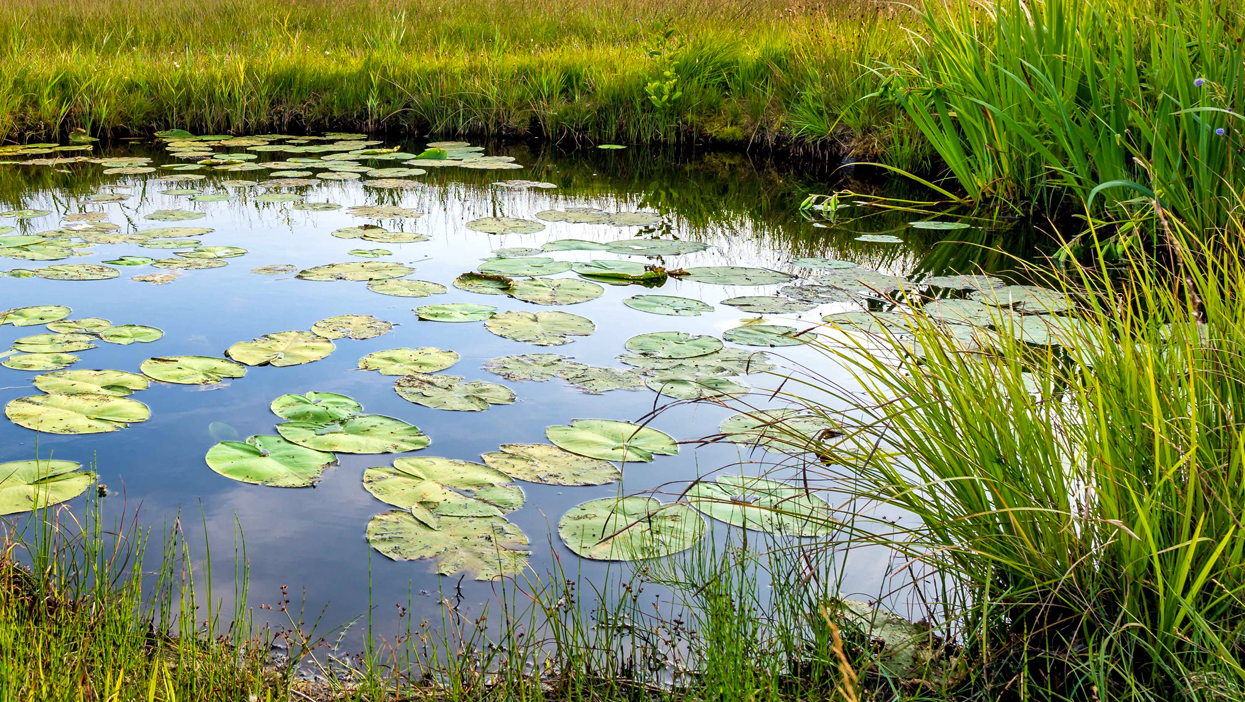
What manipulation of wetlands and natural areas would occur?
To date our sketches follow ANR guidelines for wetland buffers. There are some tight spots that may require mitigation, but we are doing our best to minimize impact.
How much of the existing land is being developed versus recreational spaces for trails and other activities ? Please provide sq. footage - of both.
The Country Club property is 133 acres. The City has offered up to 20 acres for development and another 15 acres for associated roads, parking, stormwater management, etc. We should have no trouble staying in these parameters.
Will there be a perimeter trail as there is now that also connects to inner trails for xc skiing and hiking?
Yes. In addition, we support the “U-32 Cross Country Trail” that others have proposed. We have budgeted for some new trails.
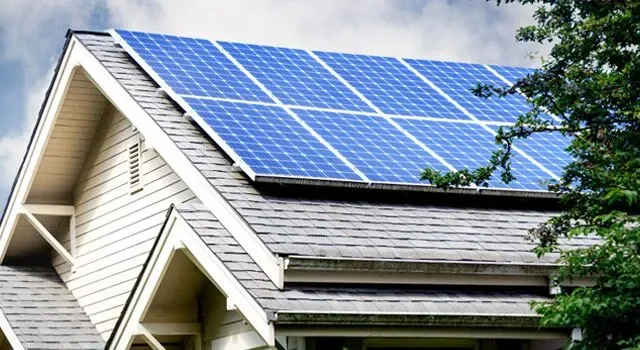
You propose solar generation, a farmstand, new paths… how certain are these concepts, and will they be kept in the final plan?
We are committed to all three of these concepts. Each one has a different path (no pun meant) to becoming a reality, and from the beginning of our site design process we will invite interested people to form a steering committee. All these concepts will hopefully take shape in the same six month period that we finalize design and feasibility.
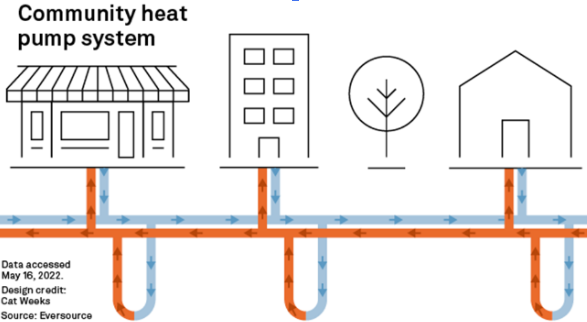
What will the geothermal system be like?
We may be able to construct a district geothermal system, at least for the village. There are significant tax credits for this investment that can help pay for the whole project.
There is a possibility we will be able to generate enough excess heat to keep the village lanes warm. This will not melt snow, but it would reduce ice.
If we are selected, we will work out basic feasibility before a Letter of Interest is signed by the City.
There is a question whether this system can truly keep homes warm, without back up heat. The short answer is yes. It’s a question of sizing the house’s heating system and also the geothermal wells correctly. Geothermal is not like air-to-air systems that lose effectiveness in extreme cold weather. Below ground the temperature is 55 degrees year round.
HERE IS A GREAT ARTICLE ON A DISTRICT GEOTHERMAL SYSTEM IN VERMONT: Riggs Meadow project, Hinesburg
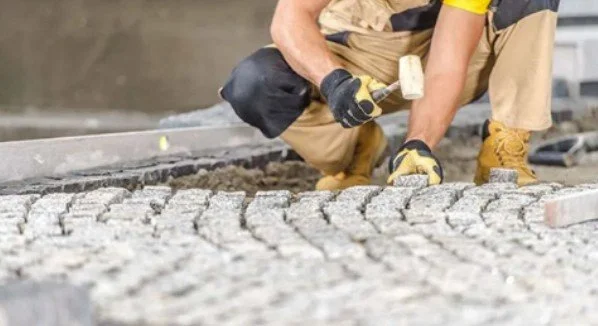
Are granite setts (pavers) affordable? Are they safe to walk on in winter? Are they accessible for wheelchairs and high heels?
Granite setts are very common in Europe because they are easy to repair and can be re-used for centuries.
COST: The initial estimate is $2,200,000 for the village area. This would be offset by future savings if an area needs to be torn up for wear or repairs.
SAFETY AND ACCESSIBILITY: These small setts are the default material in countries like Germany. They are much, much flatter than cobblestones. They are definitely noisier and jigglier to traverse with small wheels than new asphalt, but they are easier to maintain an even surface, especially if they have sufficient sand below them. Most pedestrians wearing heels walk on the balls of their feet on setts. Many European cities add wide, flat pavers on the side or in the middle of the road for heels.
PLOWABLE: The quick answer is YES, it snows in Europe. The plow blade can be raised a fraction of an inch to “float” over the setts, or the plow edge can be covered. The village will probably own a sidewalk plow.
Is the community farm actually feasible? Who would get it started and stable?
Shared farms are part of several co-housing communities in Vermont: Living Tree (Moretown) and Cobb Hill (Hartland) are two examples.
If we are selected, this would be one of the first initiatives that we would start discussions for, relying on expertise of local farmers (like Alan LePage), a conservation trust, and other mentors.
It’s important to note that this is not an essential part of the project.

How will compost, recycling, and garbage work?
This is just a starting point – If selected, we will begin to work with prospective buyers immediately to address questions like this.
COMPOST: The communal farm staff or volunteers could come through once or twice a week with a golf cart for door-to-door pick up. There could also be a collection bin up at the farm for immediate drop-off needs (like at Vermont Compost).
RECYCLING: There could be a dumpster at each hub. There could be door-to-door pick up with a golf cart and trailer.
GARBAGE: There could be a dumpster for at each hub, or a truck might be allowed to come through once a week. If compost is handled well, odors should not be an issue.
One concept for the cost of labor is to offer discounts on association fees for volunteer work.

Has space allowance been made for a future City Recreation facility?
YES, anywhere in the City’s “Recreation Area” that the City chooses.
We look forward to collaborating on developing the City’s masterplan of this zone, including facilitating visioning sessions.
Is underground electric assumed for all buildings?
YES. And budgeted… see initial cost estimates from PCM and Green Mountain Power.